


The Neuroscience of Self-Compassion
- Winnow & Bloom

- Feb 7
- 1 min read

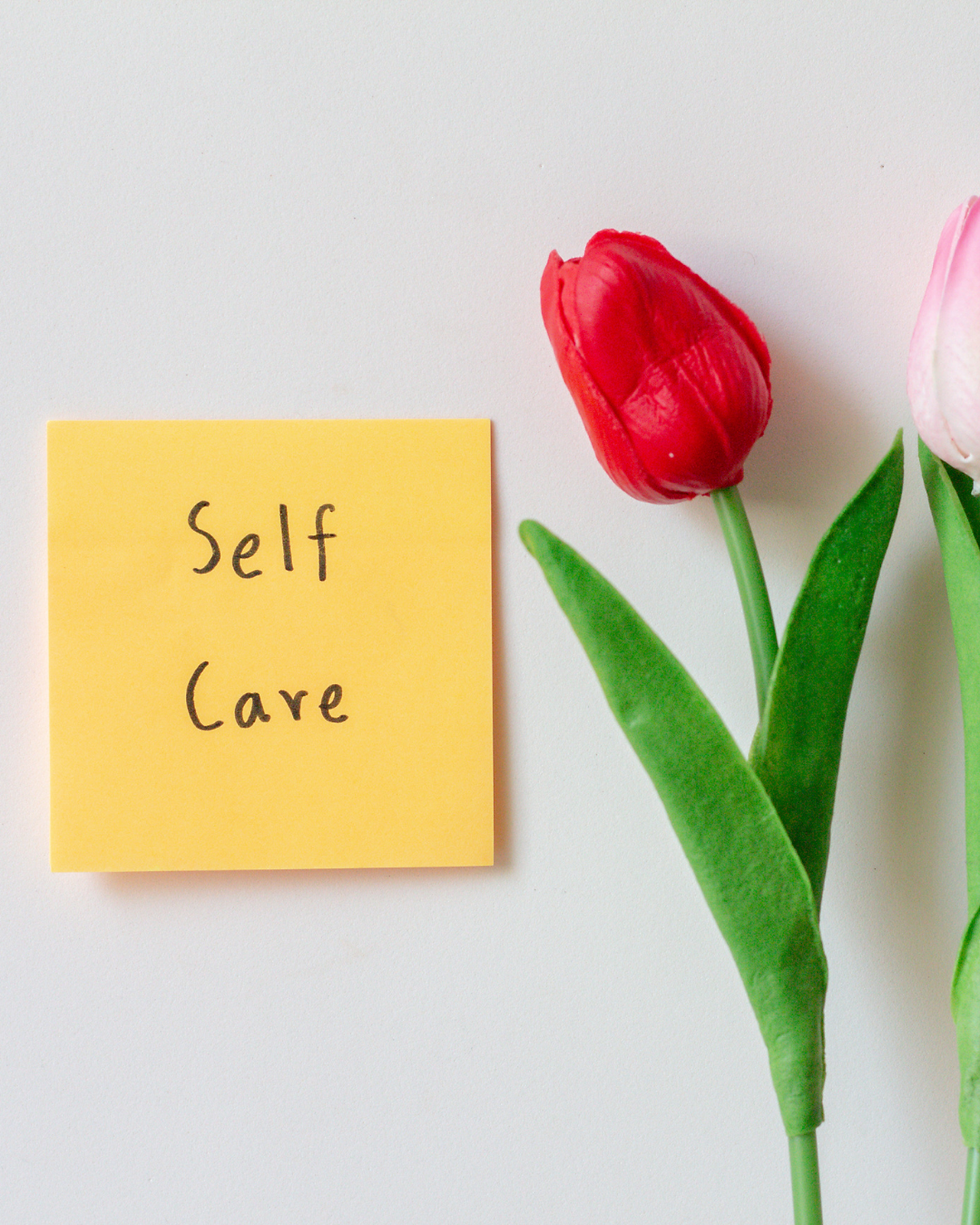
We’ve been taught to push harder, hustle more, and treat ourselves like a project to be fixed. But research in the neuroscience of self-compassion shows the opposite is true: being kind to yourself fuels motivation and performance far more effectively than self-criticism.
What the Brain Says
When you speak kindly to yourself, your brain releases oxytocin and serotonin—calming chemicals that reduce cortisol and restore focus. Self-criticism, on the other hand, triggers your amygdala, keeping you in fight-or-flight and draining energy.
Self-Compassion ≠ Self-Indulgence

It’s not letting yourself off the hook—it’s creating a safe mental space where learning and progress thrive. When you replace “I messed up” with “I’m learning,” you rewire your brain toward resilience.
How to Utilize the Neuroscience of Self-Compassion in Your Day-to-Day
Catch your inner critic and name it out loud.
Use neutral language. Try “I’m doing my best” instead of “I can’t get it right.”
Pair kindness with structure. Supportive routines anchor self-trust.
Closing Thought

You can’t build sustainable systems from shame. Compassion gives your brain the stability it needs to grow, organize, and thrive.
Start building self-compassion into your systems with Home Therapy—where neuroscience meets sustainable calm.
Feeling overwhelmed by visual and mental clutter? Our professional organizers can help you create clear, functional spaces that support focus and flow.
Let’s design a home that helps your mind breathe again


Comments